Moodboard
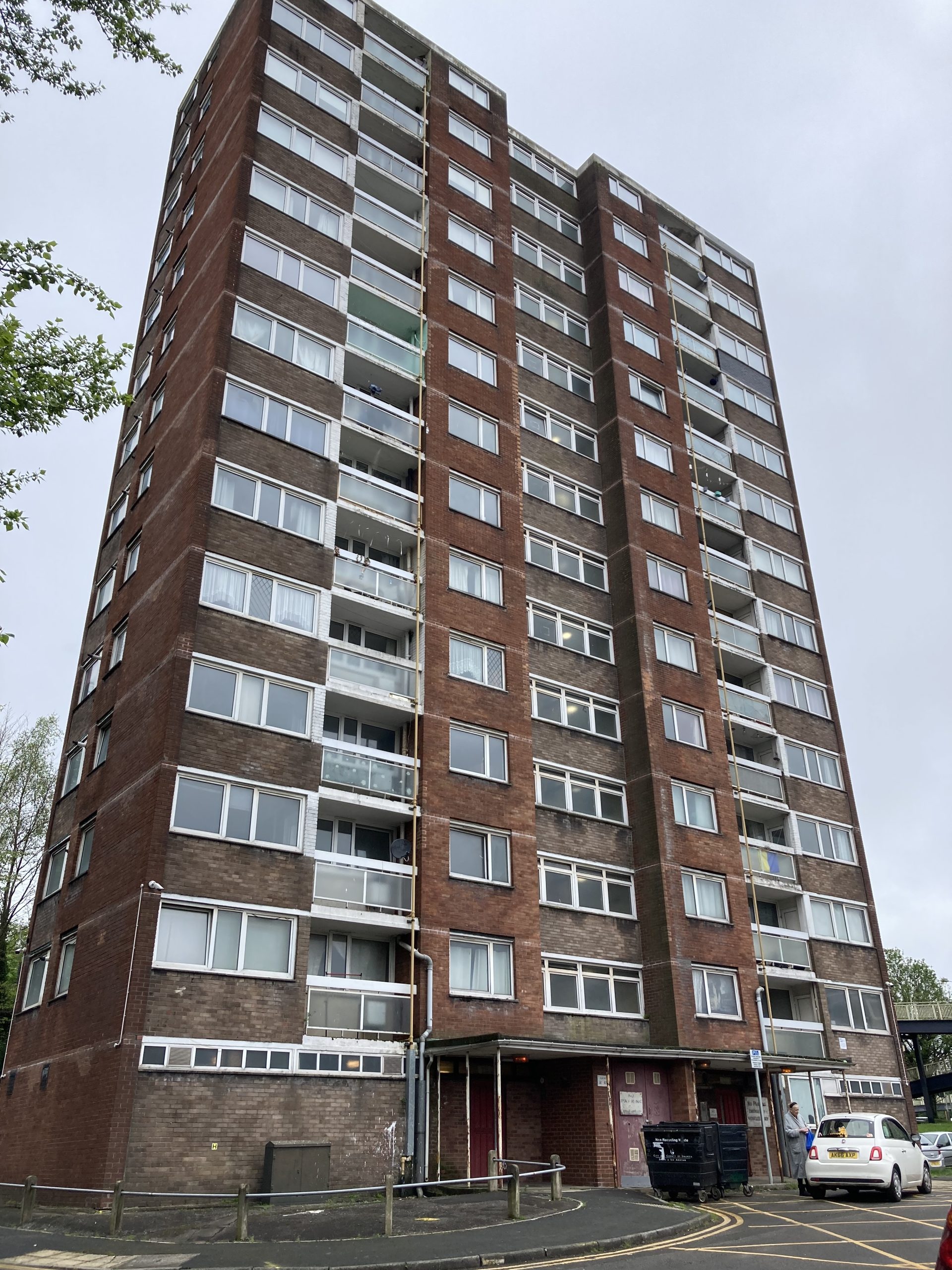
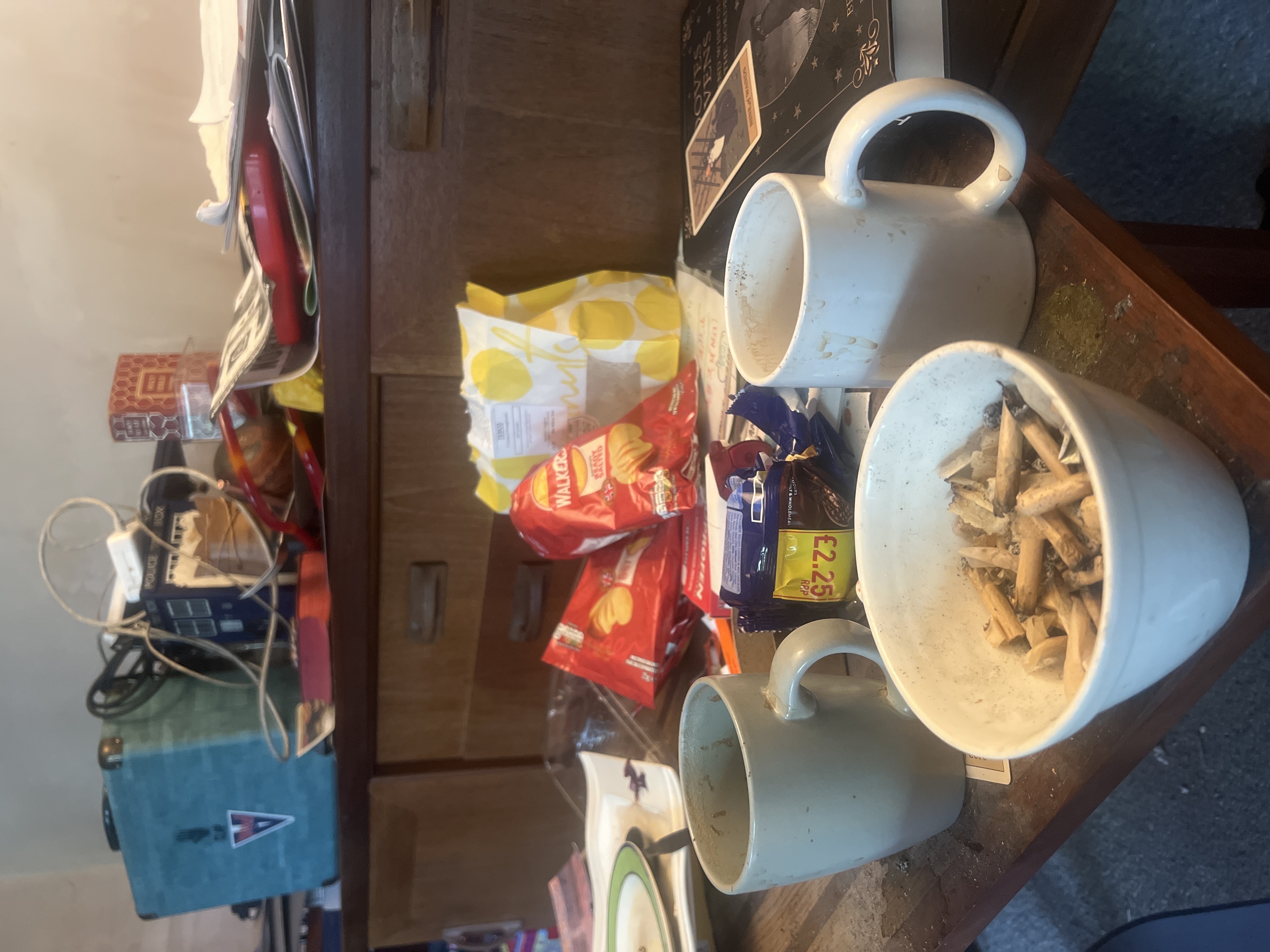
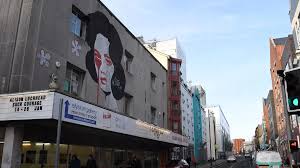
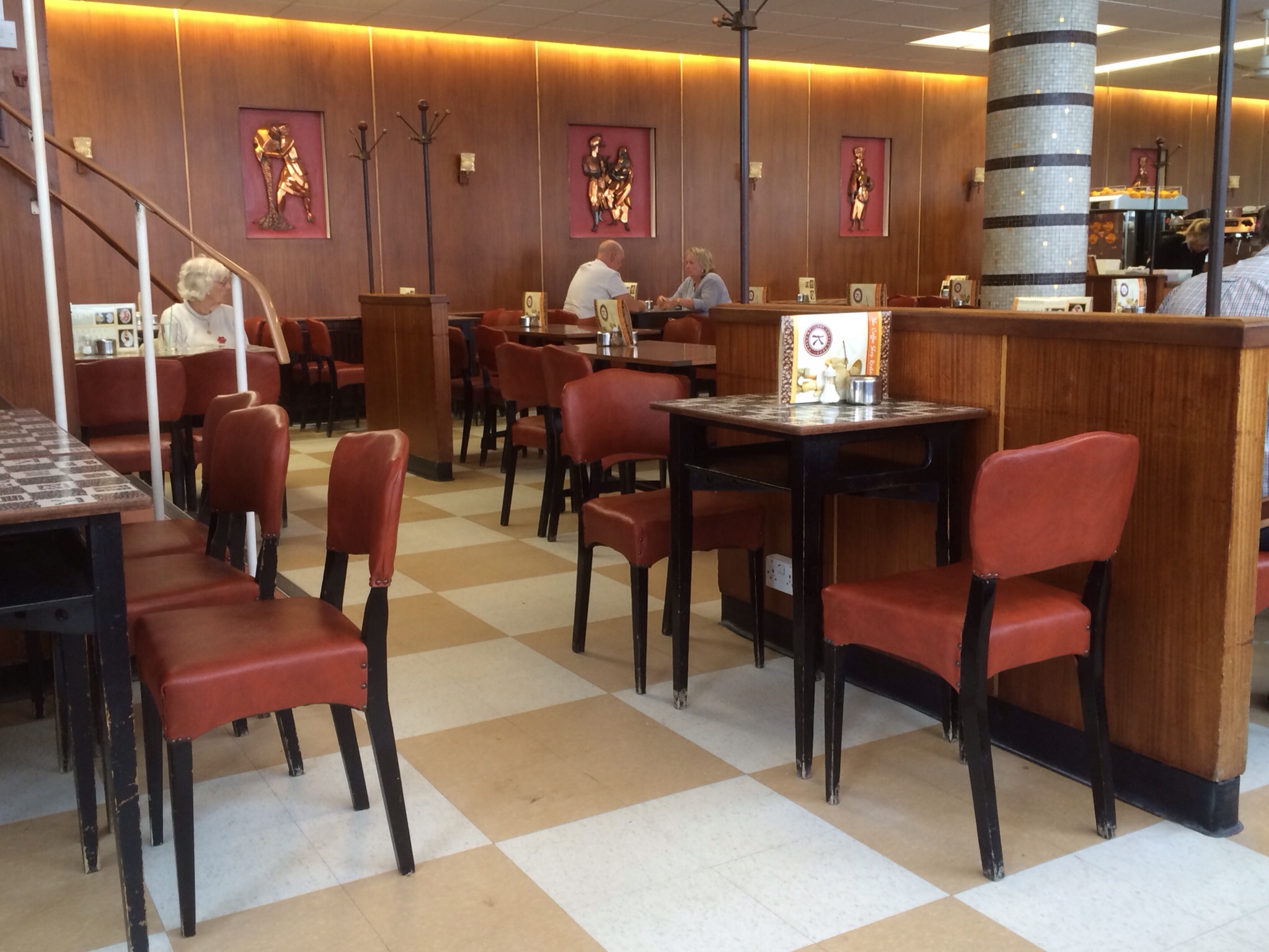
Swansea location photographs and film stills.
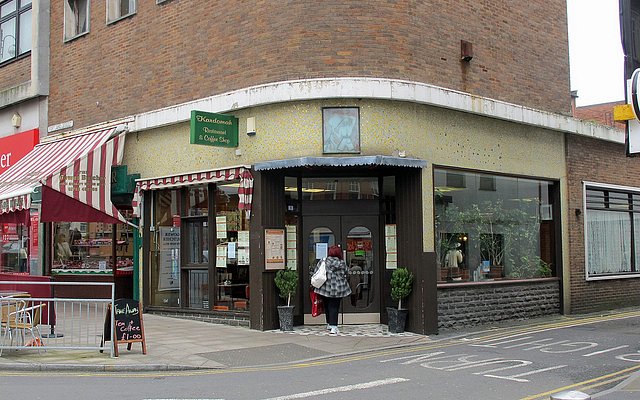
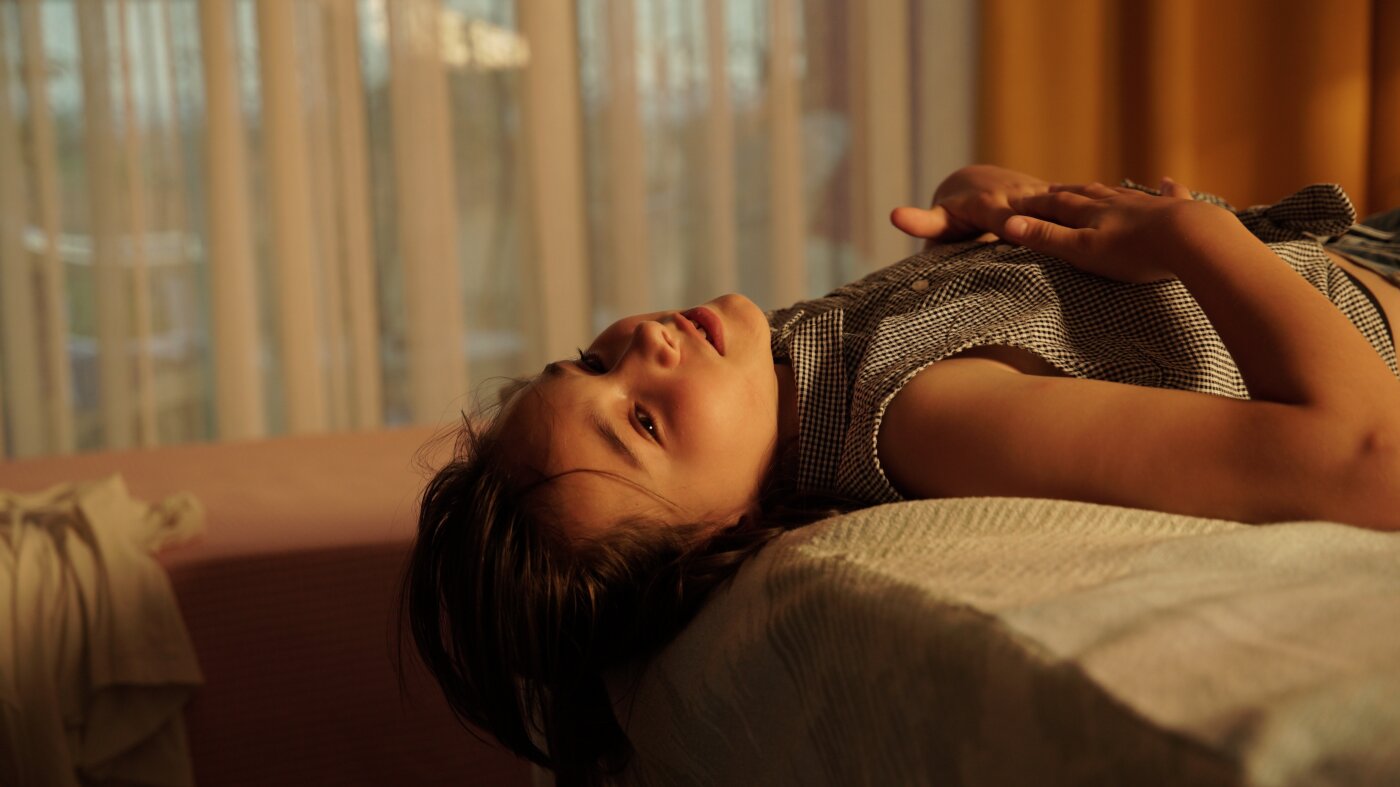
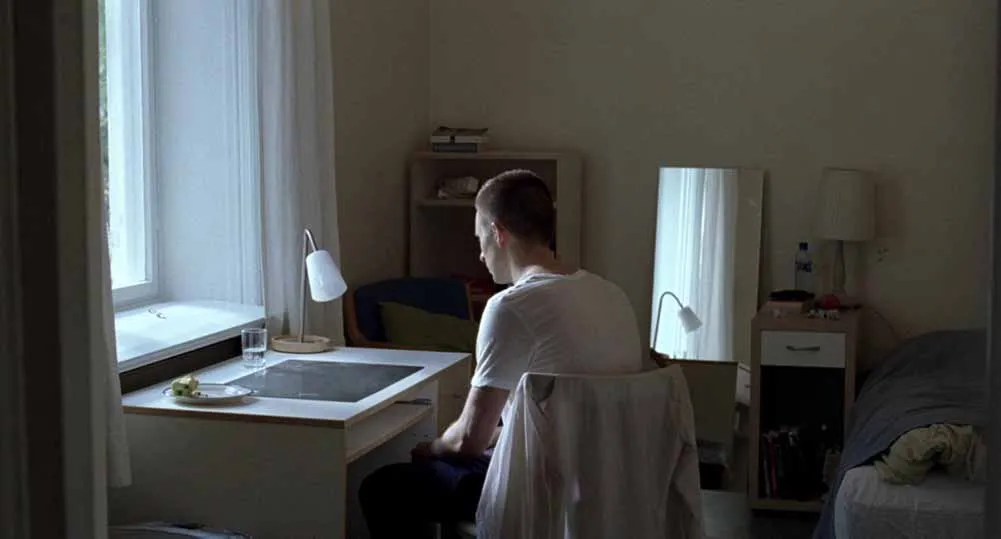
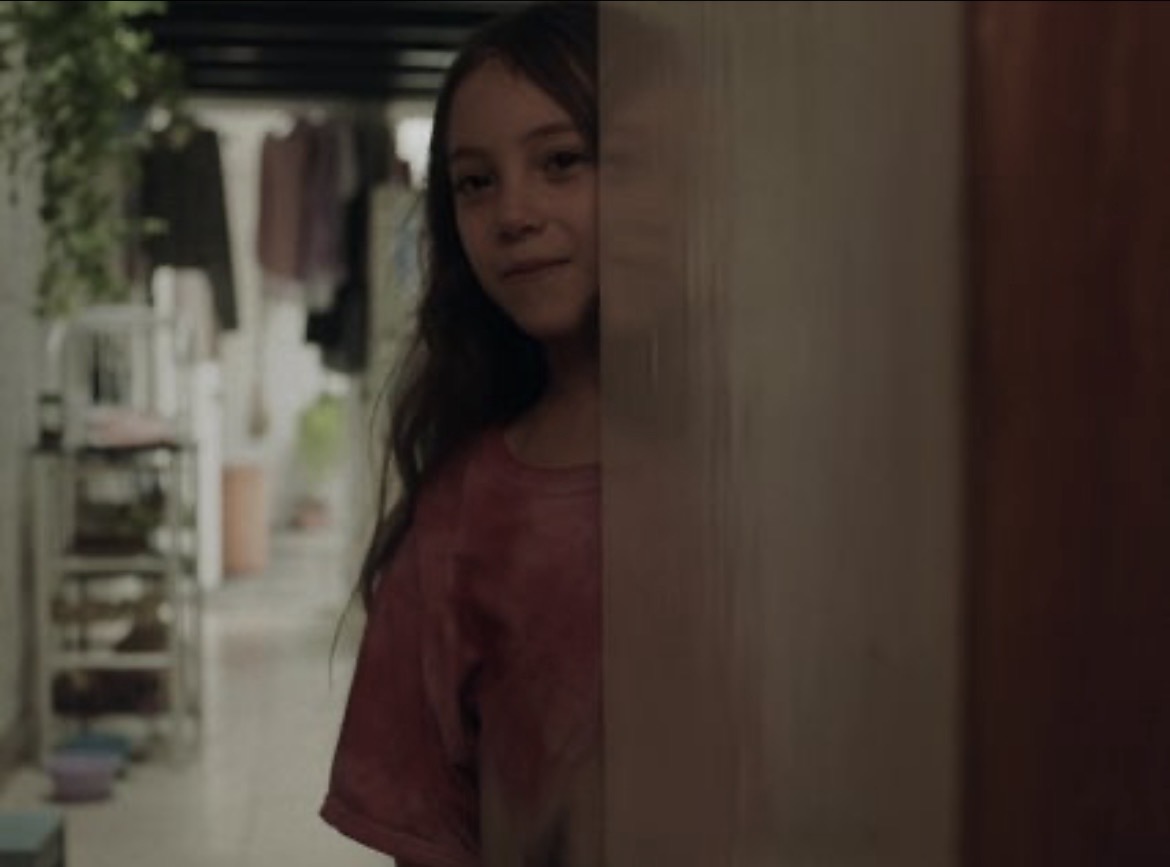
A withdrawn man is visited by his seven-year-old daughter from the future, who guides him through small, practical steps so that she can exist.
Ernest lives alone in a tower block, surrounded by ashtrays. He is depressed and largely inactive. Alys, a seven-year-old girl claiming to be his daughter from the future, appears in his flat.
She explains that she can only exist if his life changes.
Her approach is practical. She guides him through a series of small, immediate actions — opening a door, leaving the flat, going outside, speaking to someone. These actions are not dramatic, but they interrupt his isolation and begin to shift his trajectory.
As Alys starts to fade, she leads him to a local café and toward a conversation he would otherwise avoid. The film ends not with resolution, but with a change in direction — a moment where a different future becomes possible.
Alys approaches time travel in a simple, literal way: a future presence intervening in the present. This structure is used to explore a period of depression, where everyday actions can feel stalled or unreachable.
The character of Alys began as a thought experiment — what happens if a future outcome depends on small, immediate changes in behaviour. Her role is not emotional or symbolic, but functional. She is concerned with what can be done now.
The film stays close to Ernest’s physical environment and focuses on observable behaviour. Opening a door, standing up, leaving the flat, ordering a drink. These are minor actions, but they mark a movement from stasis toward participation.
The tone is restrained and unsentimental. The film does not attempt to resolve depression or offer a cure. It captures a subtle turning point — the moment where change becomes possible, even if it is not yet fully realised.
I have been building toward filmmaking for a long time, but Alys is the first project I have developed with a clear focus on making something contained, precise, and achievable.
The film comes from lived experience of depression, approached without abstraction or dramatization. I am interested in how small, practical actions carry weight when someone is stuck, and how behaviour can precede shifts in thinking. Alys takes that idea and gives it a simple form: a future presence that depends on those actions taking place.
As a director, I want to work closely with actors to keep performances natural and grounded. The camera will observe rather than impose meaning, staying close to Ernest’s environment and allowing the emotional shift to emerge through action rather than explanation.
This project is also an opportunity to establish a working practice that is sustainable and inclusive. I am committed to building a small, supportive production environment that can accommodate different working needs, particularly for neurodivergent and disabled collaborators. This includes clear communication, manageable schedules, and a calm, low-pressure set.
Alys is intended as a complete, achievable short that demonstrates my ability to deliver a finished piece of work, while establishing a foundation for further filmmaking.
Alys is designed as a contained short with a small, focused crew.
Casting will be led by Ernest, with Alys cast in response to his performance to ensure a believable dynamic. Leili will be cast with attention to her presence and grounding within the final sequence. Open auditions will be held within the Welsh acting community. As the film involves a child actor, a licensed chaperone will be present throughout.
The production will prioritise working with neurodivergent and disabled collaborators across cast and crew, with an emphasis on creating an environment that is clear, calm, and accessible. This approach is practical rather than symbolic, shaping how the work is carried out rather than altering the subject of the film.
The film will be shot on location in South Wales. The central setting is a high-rise flat, supported by exterior locations including the estate courtyard, stairwell, and a Swansea café. These locations will be chosen for authenticity and proximity, reducing travel and keeping the production footprint small.
The visual approach is naturalistic and controlled. Handheld camera work will be used with restraint, maintaining stability rather than drawing attention to itself. The camera will stay close to Ernest’s physical environment, with depth of field used to shift emphasis subtly.
Production design will reflect Ernest’s mental state through accumulation and use rather than stylisation. The flat will feel lived-in, with layered clutter and signs of long-term neglect.
Alys’ presence will be treated with restraint. Simple in-camera techniques and minimal post-production will be used to differentiate her, maintaining the grounded tone. Effects will be subtle — slight shifts in presence rather than overt visual intervention.
The production will be run with attention to sustainability. A small crew, local locations, and minimal transport requirements will reduce environmental impact, alongside a general emphasis on efficiency and low-waste working practices.
Overall, the project is designed to be practical, efficient, and achievable, with all creative decisions grounded in what can be realised on a short film scale.
Swansea location photographs and film stills.